|
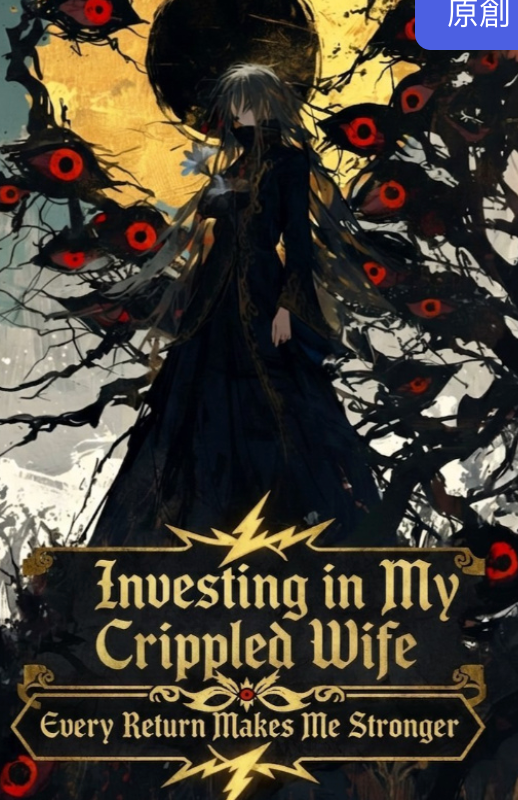
One-Sentence Verdict: Investing in My Crippled Wife: Every Return Makes Me Stronger is a system-progression fantasy that sells itself as a revenge-and-growth power fantasy, but its real hook is much quieter: two discarded people learning that care, patience, and loyalty can be more dangerous than raw talent.
Who This Book Is For: This is for readers who like slow-burn romance inside a power fantasy shell; readers tired of harem wish fulfillment; readers who enjoy “from zero to hero” arcs, arranged marriage dynamics, healing-through-trust stories, and system novels where emotional investment matters as much as combat progression.
Who This Book Is Not For: This is not ideal for readers who need airtight tactical logic from chapter one, fast power escalation every few pages, morally clean system mechanics, or a protagonist who instantly optimizes every advantage like a cold-blooded spreadsheet. If you hate soft emotional pacing in your fantasy, this will test your patience.
3 Reasons to Recommend It:
1. The central relationship actually gives the power system emotional weight. The premise could have been painfully exploitative: a man gains rewards by “investing” in his disabled wife. On paper, that sounds like a transactional gimmick. What keeps it from collapsing is that the story repeatedly frames Soren’s actions as care before profit. Medicine, patience, physical rehabilitation, sleepless nights, and small acts of tenderness become the novel’s true currency. That is why many readers respond so strongly to Soren and Ethea as a couple. Their bond does not feel like instant-love decoration pasted onto a cultivation plot; it is the engine of the plot. 2. Ethea is more than a tragic prop. A weaker version of this story would have reduced the female lead to a beautiful broken doll whose only purpose is to make the male lead stronger. The better surprise here is that Ethea’s past as the Ice Empress still matters. Her paralysis is not just a pity button; it creates tension between who she was, who the world thinks she is now, and who she might become again. The best parts of the novel come from that gap. Her recovery feels less like “the hero fixing his wife” and more like two people rebuilding dignity after their families, society, and power structures have decided they are already finished. 3. It stands out in a crowded WebNovel power-fantasy lane. The book uses familiar ingredients: hidden power, awakening, family abandonment, revenge, gates, cultivation, status screens, and an underestimated male lead. None of that is new. What makes it feel fresher is the emotional packaging. Instead of chasing another harem, academy ladder, or arrogant-young-master loop, the story anchors its escalation in domestic care and a committed partnership. The “no harem” appeal is not cosmetic; it changes the emotional contract with the reader. The fantasy is not just “I will become stronger than everyone.” It is “I will not abandon the person everyone else threw away.” That gives the wish fulfillment a warmer, more grounded pulse.
1 Reason Some Readers May Bounce Off: The story sometimes asks the reader to forgive plot logic that has not fully earned the forgiveness. Several critical readers have pointed out that the early assassination pressure and villain surveillance can feel oddly timed or under-justified: if Ethea was already neutralized, why keep escalating so openly? Likewise, Soren’s cautiousness can read as human and compassionate in one chapter, then frustratingly slow in another. The result is a novel with a strong emotional core but occasionally wobbly narrative scaffolding. When the book leans into healing and partnership, it sings. When it leans into conspiracy mechanics, it sometimes sounds like it is rushing to manufacture danger before the worldbuilding has caught up.
Editor’s Review: What makes Investing in My Crippled Wife unexpectedly compelling is not the 10,000-times return system. That is the sales hook. The real hook is the ethical discomfort behind it. Soren’s ability rewards him for helping Ethea, which means every tender gesture exists under a shadow: is this love, strategy, guilt, survival, or all of the above? The novel is at its most interesting when it does not run away from that ambiguity. In a genre often obsessed with dominance, conquest, and optimization, this book dares to make caregiving feel powerful.
That said, the book is not immune to the weaknesses of platform fantasy. Some prose can feel overly smooth or mechanical, and a few readers have openly accused it of having an AI-generated texture. Whether or not that accusation is fair, the criticism points to a real issue: certain scenes could use sharper editing, more sensory specificity, and less “system-novel autopilot.” The emotional scenes work because the premise is strong and the character dynamic is sincere, but the line-by-line writing does not always rise to the same level.
The pacing is also divisive. Supporters see a slow-burn foundation: trust first, power later. Critics see a protagonist who fails to exploit an absurdly strong ability with enough urgency. Both readings are valid. Soren’s softness is the reason the romance works, but it is also the reason the progression side occasionally feels inefficient. The novel’s challenge going forward is to prove that his restraint is characterization, not authorial hesitation.
Still, there is a reason this book has generated such passionate reactions. It is not just another “trash becomes god” fantasy. It is a story about value: who gets discarded, who gets invested in, and what kind of strength is born when someone refuses to calculate another human being as a loss. Imperfect? Absolutely. Occasionally clumsy? Yes. But it has a heartbeat, and in the current flood of disposable system fiction, that alone makes it worth noticing.
| 



 千斤顶
千斤顶










 English
 简体中文
简体中文 繁體中文
繁體中文 한국 사람
한국 사람 日本語
日本語 Deutsch
 русский
 بالعربية
 TÜRKÇE
 português
 คนไทย
คนไทย french