Fairy Godmother Inc: keeping the forces of good and evil in balance with true love’s first kiss. When Viola finds herself crouched in a dumpster, hiding from her mafia ex boyfriend, she realizes something in her life needs to change. Stat! An impulsive signature on a dotted line lands her in a dangerous game where she has to compete to win the heart of an even more dangerous prince. King Apollo Augustus has the body of a Greek god, but the heart of the devil. Can she fix him? Or will he suck her into his darkness?
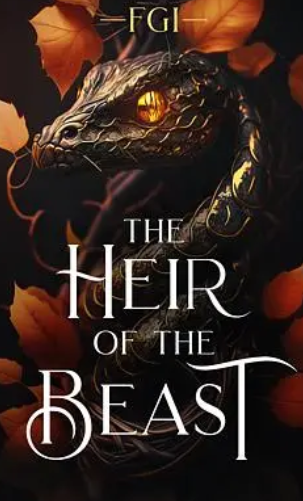
The Heir of the Beast is a spicy adult fairytale romance that takes the glossy promise of “happily ever after,” tears open the fine print, and throws a sharp-tongued New Orleans heroine into a deadly, magical, Bachelor-meets-Hunger-Games competition for the heart of a dangerous alpha prince.
Who This Book Is For
This book is for readers who love romantic fantasy with bite: fairytale contracts, cursed kingdoms, dangerous competitions, grumpy alpha princes, reluctant heroines, magical matchmaking, royal intrigue, and a romance that feels less like a gentle waltz and more like being shoved through a portal in heels and told to survive.
It is especially suited for fans of Beauty and the Beast-style tension, adult fairytale retellings, enemies-to-lovers friction, fish-out-of-water fantasy, and heroines who react to magical destiny with sarcasm rather than instant obedience. Viola is not a soft-focus princess waiting for a fairy godmother to fix her life. She is messy, funny, unlucky, defensive, and fully aware that magical contracts are probably bad news. That makes her exactly the kind of heroine modern fairytale romance needs.
If you enjoy stories where the heroine must compete for a prince but refuses to become a decorative contestant, The Heir of the Beast has strong binge appeal. The romantic setup is familiar enough to feel instantly readable, but the execution adds danger, humor, contractual trickery, and a heroine who has already survived enough bad decisions to recognize that “true love” may be the most suspicious prize of all.
Who This Book Is Not For
This may not be the right book for readers who want a traditional, gentle, clean fairytale romance. The Heir of the Beast is an adult romantic fantasy with attitude, danger, sensual tension, and a heroine who brings very modern cynicism into a fantasy world built on old-fashioned destiny.
Readers who dislike competition plots, alpha male love interests, magical contracts, love triangles, or heroines who talk back to the genre itself may find the tone too chaotic. It may also not suit readers who prefer quiet courtship and low-stakes romance. This story is much more dramatic: survival matters, rivals matter, secrets matter, and the prince is not presented as an easy romantic reward.
3 Reasons to Recommend It
It gives the fairytale romance formula a wicked modern twist.
The central premise is immediately addictive: Fairy Godmother Inc. offers Viola a chance at happily ever after, but the contract hides consequences she does not fully understand. That is a clever inversion of the classic fairy-godmother fantasy. Instead of a benevolent magical helper arriving to solve everything, the fairy godmother becomes something closer to a corporate matchmaker with suspicious terms and very dangerous customer service.
That twist gives the book its strongest commercial hook. The story plays with the dream of being chosen, transformed, and swept into royal romance, but it also asks what happens when “happily ever after” is packaged like a contest and sold like a contract. Viola does not simply enter a fantasy world; she enters a system. She has to compete, perform, adapt, and survive long enough to decide whether the promised romance is salvation or another trap.
This makes the book feel fresh even when it uses beloved fairytale ingredients. The prince, the competition, the magical invitation, the otherworldly kingdom, the promise of true love — all of it feels recognizable, but the story’s humor and danger keep it from becoming predictable.
Viola is the kind of heroine who makes the premise work.
A story like this needs the right heroine. If Viola were too passive, the competition would swallow her. If she were too polished, the chaos would lose its comedy. What makes her compelling is that she feels like someone who has already been disappointed by real life before fantasy gets its claws into her.
She begins in New Orleans with a bad romantic history, a dangerous ex, and a desperate need for a fresh start. That background matters. It means she does not walk into Fairy Godmother Inc. as an innocent dreamer. She walks in as a woman who has made mistakes, learned distrust, developed a survival instinct, and still secretly wants something better.
That contradiction gives her emotional texture. She is cynical, but not dead inside. She is funny, but not shallow. She wants love, but she knows love can be a con. Watching her navigate a fantasy competition for a prince’s heart is entertaining because she does not fully buy into the script — and yet, against her better judgment, she is still vulnerable to the possibility that the script might become real.
Prince Apollo brings the perfect grumpy-alpha obstacle.
Prince Apollo is not written as a simple dream prince, and that is a major strength. The public synopsis frames him as a hot alpha male with a serious attitude problem, which is exactly the kind of love interest built for romantic friction. He is not easy. He is not instantly charmed. He is not standing at the finish line with a crown and a smile, waiting for Viola to win.
That makes the romance more satisfying. The heroine is not just competing against other women; she is competing against Apollo’s defenses, the court’s expectations, the rules of the game, and the fact that attraction alone is not enough to guarantee trust. Their dynamic has the kind of grumpy-meets-defiant energy that keeps fantasy romance alive: he has power, status, and secrets; she has wit, nerve, and no intention of becoming another silent candidate for his approval.
The best part of this setup is that it turns the prince from a prize into a problem. Viola may be there to win his heart, but the story is more interesting when she is also trying to decide whether that heart is worth the cost.
One Drawback
The biggest drawback is that the book’s premise is intentionally trope-heavy and high-drama. Fairy Godmother Inc., magical contracts, romantic competitions, alpha princes, rival contestants, fantasy danger, and spicy fairytale energy are all part of the same package. For readers who love that maximalist romance style, it is the whole appeal. For readers who prefer subtle, grounded fantasy or realism-first relationship development, the setup may feel too theatrical.
The competition structure may also be a dividing point. Some readers will love the Bachelor-style tension and shifting obstacles. Others may wish the romance could breathe without so many external games, rivals, and magical conditions pushing it forward.
Editor’s Review
The Heir of the Beast understands something essential about modern fairytale romance: today’s reader still wants the magic, but she no longer fully trusts the fairy godmother.
That distrust is what makes the story work. Fairy Godmother Inc. promises Viola a happily ever after, but the promise arrives in the form of a contract, and contracts in fantasy romance are never innocent. The premise immediately turns wish fulfillment into negotiation. Love is not simply granted. It is gamified, packaged, and surrounded by fine print. That alone gives the novel a deliciously contemporary edge.
Viola is the ideal heroine for this kind of story because she brings skepticism into a world that expects wonder. She is not the wide-eyed maiden of a traditional fairytale. She is a New Orleans woman with bad luck, worse men, and enough self-awareness to know that if something sounds too good to be true, it probably wants your soul, your freedom, or at least your signature. Her humor keeps the story buoyant, but her vulnerability keeps it from becoming pure parody.
The novel’s smartest move is that it does not reject fairytale romance. It interrogates it, teases it, then lets the reader fall for it anyway. Viola may mock the setup, but the story still understands the appeal of castles, princes, other worlds, dangerous bargains, and true love that must be won against impossible odds. The result is a romantic fantasy that feels both affectionate and irreverent. It loves the genre enough to break its toys and put them back together sharper.
The competition premise gives the book a strong engine. Viola is not merely transported into a fantasy world and told to wait for destiny. She has to compete. She has to perform. She has to understand the rules before those rules destroy her. That structure creates immediate momentum because every scene can carry both romantic and survival stakes. Winning Apollo’s heart is not only emotional; it may determine whether Viola escapes, transforms, survives, or loses everything the contract quietly put at risk.
Prince Apollo is exactly the kind of love interest this premise needs. A softer prince would make the contest feel decorative. Apollo’s attitude makes it combustible. He is desirable, powerful, difficult, and emotionally guarded. His appeal lies in the fact that he cannot simply be collected like a prize. Viola must get under his skin, and he must get under hers. Their chemistry depends on resistance, which is why the romance has heat before it has peace.
The Beauty and the Beast undertone is also a major part of the book’s charm. The title, The Heir of the Beast, suggests inheritance, curse, monstrosity, power, and romantic danger. But the story’s modern voice prevents it from becoming a straightforward retelling. Instead of a sweet heroine softening a beast through saintly patience, we get a woman with survival instincts and a mouth sharp enough to cut through royal nonsense. That makes the dynamic feel more contemporary and more fun.
The supporting premise of Fairy Godmother Inc. adds another layer. This is not just a single fairytale world; it is a system of manufactured happily-ever-afters. That idea gives the series strong potential because it suggests that romance itself is being managed by supernatural bureaucracy. It is whimsical, but also faintly sinister. What happens when destiny has a business model? What happens when true love becomes a prize category? What happens when a woman signs up for a dream and discovers the dream has liabilities?
Those questions give the book more bite than a standard portal fantasy romance. Viola’s adventure is not only about finding love; it is about resisting the terms under which love is being offered. She has to decide whether she is being empowered or manipulated. She has to figure out whether Apollo is a man, a monster, a prize, or a fellow prisoner of the story’s machinery.
The tone is one of the novel’s biggest strengths. It has a cheeky, self-aware energy that keeps the fantasy from becoming too heavy, but the danger is still present enough to matter. This is not a cozy fairytale tea party. Viola faces rivals, rules, threats, and a prince who can melt her insides with one look while still being exactly the sort of man she should probably avoid for her own sanity. That tension between comedy and peril is what makes the story bingeable.
For Western romance readers, The Heir of the Beast fits neatly into the current appetite for spicy fairytale retellings and romantasy with attitude. It has the wish-fulfillment ingredients readers want — a magical invitation, a royal love interest, a dangerous world, a heroine with hidden resilience — but it avoids feeling old-fashioned by giving Viola a voice that belongs firmly to the present. She reacts like someone who has read enough fairytales to know they never mention the legal consequences.
The book’s only real risk is that it may be too much for readers who prefer their fantasy romance understated. The premise is loud by design. It mixes fairytale satire, romantic competition, alpha tension, portal fantasy, and high-stakes survival. But for readers who enjoy genre excess, that abundance is exactly the fun. It is not trying to be a minimalist romance. It is trying to be a glittering, dangerous, funny, sensual ride through a world where happily ever after has teeth.
What makes The Heir of the Beast memorable is that it captures the contradiction at the heart of adult fairytale romance. We know the fantasy is suspicious. We know the prince may be trouble. We know the contract should have been read. We know the heroine is probably walking into disaster. And still, we want her to go. We want the magic. We want the danger. We want the prince to fall first, fall hard, and regret every moment he underestimated her.
That is the pleasure of this book. It gives readers the fairytale, but it refuses to make the heroine naive. It gives us the beast, but makes him emotionally difficult enough to deserve the title. It gives us a fairy godmother, but makes her paperwork terrifying. And most importantly, it gives us Viola — a woman messy enough to be real, funny enough to be lovable, and stubborn enough to survive a happily ever after that might kill her before it kisses her.
For readers who want spicy romantic fantasy with humor, danger, royal drama, magical contracts, and a heroine who refuses to play the fairytale exactly as written, The Heir of the Beast is an easy recommendation.




 千斤顶
千斤顶








 English
 简体中文
简体中文 繁體中文
繁體中文 한국 사람
한국 사람 日本語
日本語 Deutsch
 русский
 بالعربية
 TÜRKÇE
 português
 คนไทย
คนไทย french