|
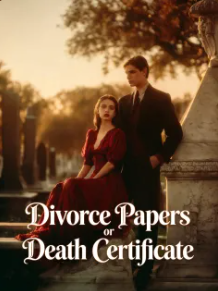
One-Line Positioning A viciously readable domestic melodrama that turns terminal illness, family betrayal, and marital cruelty into a revenge-adjacent emotional train wreck you cannot stop watching.
Who This Is For This is for readers who like their relationship fiction dialed all the way up—high pain, high betrayal, high emotional injustice, and the kind of opening chapter designed to make your blood pressure rise in under five minutes. If you are the sort of reader who tears through stories about scapegoated heroines, manipulative families, cold husbands, dying confessions, and the delicious inevitability of late regret, this book is very much built for your nervous system. Its public-facing setup is brutally efficient: a woman discovers she has stage-four brain cancer and, almost in the same breath, is told by her husband and parents to either donate a kidney to her twin sister or sign divorce papers. That is not subtle storytelling. It is pure emotional warfare, and for the right audience, that is exactly the point. It is also a strong fit for readers who enjoy short-form serial fiction that wastes no time getting to the wound. At roughly 7.6k words and presented as completed, this looks like the kind of quick-consumption tragic romance drama meant to deliver maximum outrage, heartbreak, and catharsis with almost no narrative fat.
Who This Is Not For This is not for readers who need emotional subtlety, moral ambiguity, or realistic family dynamics in order to stay engaged. If you prefer your fiction psychologically layered rather than engineered for shock, this may feel too openly manipulative, too melodramatic, and too committed to piling on suffering. It is also likely a poor fit for readers who dislike terminal-illness plots, martyr heroines, or stories where nearly everyone around the protagonist behaves with operatic cruelty. The tags and opening chapter both make it clear that this is a pain-forward drama built around heartbreak, trauma, hypocrisy, misunderstanding, and vengeance rather than tenderness or nuance.
3 Reasons to Recommend Reason 1: The hook is savage in exactly the right way. Some books spend chapters warming up before they reveal what kind of story they want to be. Divorce Papers or Death Certificate does not. It opens by putting the heroine in a vise: her husband weaponizes divorce, her parents weaponize family loyalty, and her twin sister’s illness becomes the excuse for everyone’s emotional blackmail. Then the story twists the knife by revealing that the heroine herself is dying. It is a ruthless premise, but also an extremely effective one. The emotional stakes are clear immediately, and the reader knows exactly where to place their outrage. That kind of instant clarity is one of the great pleasures of bingeable platform fiction. Reason 2: It understands the dark pleasure of injustice-driven storytelling. This kind of novel lives or dies on whether it can make the heroine’s suffering feel sufficiently unbearable that the reader becomes emotionally invested in seeing the world answer for it. Based on the public chapter excerpt, the book knows how to stage that suffering with precision. The husband is not merely neglectful; he is transactional. The parents are not merely biased; they are emotionally coercive. The twin sister exists inside a family system so warped that even basic dignity has become negotiable. The point is not realism. The point is acceleration. Every scene is calibrated to make readers think, “They cannot possibly get away with this,” which is exactly the emotional motor these stories need. Reason 3: Its brevity may actually be part of the appeal. There is something refreshing about a story that seems to understand it is not a sprawling family saga but a tightly compressed emotional strike. At 7.6k words, completed, and currently showing eight chapters, this appears designed less as a slow-burn novel than as a high-impact tragic binge. That can be a genuine advantage in this genre. Rather than diluting the premise with endless repetition, a shorter structure can preserve intensity and keep the emotional humiliations, revelations, and reversals feeling concentrated. For readers who want one evening of full-throttle heartbreak rather than a hundred-chapter commitment, that is a real selling point.
1 Reason to Hesitate The main reason to hesitate is that the story’s appeal seems inseparable from its extremity. Everything about the setup suggests a novel that is less interested in believable human behavior than in delivering maximum emotional punishment as quickly as possible. If you are not already receptive to stories where families behave monstrously, spouses use divorce as leverage, and terminal illness arrives as both tragedy and plot detonator, this will probably feel overwrought rather than moving. In other words, the very thing that makes the book bingeable for its target audience may make it exhausting for everyone else.
Editor’s Take Divorce Papers or Death Certificate looks like the kind of story platform fiction now specializes in: emotionally blunt, structurally efficient, and ruthlessly optimized for reader outrage. It is not trying to be a literary novel about illness, marriage, or familial scapegoating. It is trying to seize you by the throat with a premise so unfair, so provocative, and so cruelly stacked against its heroine that you have no choice but to keep reading. That can sound like criticism, but in commercial terms it is also a strength. Because the book’s central fantasy is not romance in the soft-focus sense. It is vindication. The heroine has already been emotionally abandoned long before the medical diagnosis arrives. Her husband treats marriage like paperwork. Her parents treat her body like an available resource. Her sister, at least in the opening setup, sits at the center of a family structure built on entitlement and displacement. The diagnosis does not create the tragedy; it clarifies it. Suddenly the heroine is no longer negotiating for fairness inside a rigged system. She is stepping outside it. That shift gives the premise its charge. What makes this kind of story work is not elegance but moral velocity. Readers do not come for subtle prose. They come for the unbearable setup, the emotional recoil, and the promise that someone, somewhere, will eventually understand what they destroyed too late to fix it. On that level, Divorce Papers or Death Certificate appears to know exactly what it is doing. It is not prestige romance. It is emotional impact fiction—sharp, fast, and tailored for readers who want betrayal with teeth.
| 



 千斤顶
千斤顶










 English
 简体中文
简体中文 繁體中文
繁體中文 한국 사람
한국 사람 日本語
日本語 Deutsch
 русский
 بالعربية
 TÜRKÇE
 português
 คนไทย
คนไทย french